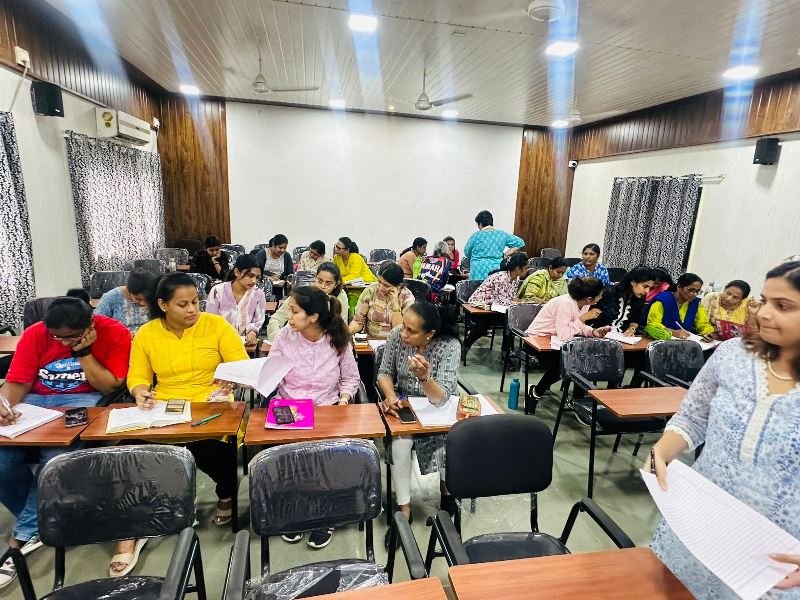
REPORT ON TEACHER’S SEMINAR: THEORY AND PRACTICUM – CHILD DEVELOPMENT
Report on Teacher’s Seminar: Theory and Practicum – Child Development
Introduction
On 14th September, a seminar was held on the topic of “Child Development.” The session aimed to provide educators with an understanding of child growth and development, including key principles, stages, and theories. This report summarizes the main points discussed during the seminar.
Overview of the Session
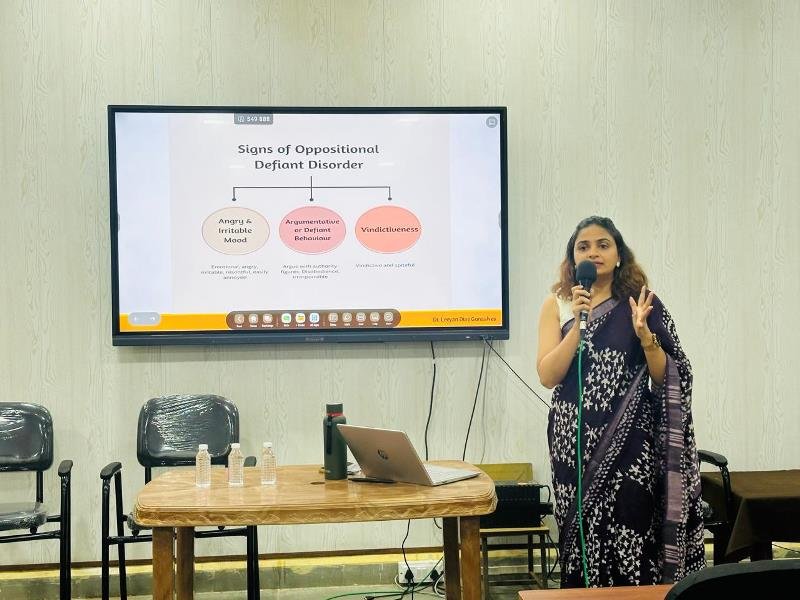
The session began at 8.45am and was led by Dr. Leeyan Dias, who introduced the importance of understanding child development in the educational context.
Topics Covered
- Child Growth and Child Development
- This segment focused on the differences between growth (quantitative changes) and development (qualitative changes). The presenter emphasized the importance of both aspects in understanding a child’s overall progress.
- Principles of Development
- Key principles such as the sequential nature of development and individual variability were discussed. The presenter highlighted how these principles guide teaching strategies.
- Stages of Development
- The session outlined various developmental stages, including:
- Infancy: Rapid growth and sensory development.
- Early Childhood: Language acquisition and social skills.
- Middle Childhood: Cognitive advancements and peer relationships.
- Adolescence: Identity formation and emotional changes.
- Theories of Development
- Several influential theories were introduced, including:
- Piaget’s Cognitive Development Theory: Stages of cognitive growth.
- Erikson’s Psychosocial Development Theory: The impact of social experiences.
- Vygotsky’s Social Development Theory: The role of social interaction in learning.
- Bronfenbrenner’s Ecological Systems Theory: Urie Bronfenbrenner’s theory describes development within the context of five nested systems: microsystem, mesosystem, exosystem, macrosystem, and chronosystem.
- Bandura’s Social Learning Theory: Albert Bandura’s theory emphasizes the role of observation, imitation, and reinforcement in shaping behavior and development.
- Freud’s Psychosexual Development Theory: Sigmund Freud proposed that development is driven by the resolution of psychosexual conflicts, progressing through stages of oral, anal, phallic, latency, and genital development.
Conclusion
The seminar provided valuable insights into child development, emphasizing its significance in shaping effective teaching practices. Participants gained a deeper understanding of how developmental principles and theories can inform their approaches to education.
Report on Teacher’s Seminar: Theory and Practicum – Childhood Developmental Disorders
Introduction
On 17th October, a follow-up seminar was held focusing on “Theory and Practicum: Childhood Developmental Disorders.” This session aimed to deepen educators’ understanding of various developmental disorders in children, covering their symptoms, etiology, treatment, and methods for identification. This report summarizes the key points discussed.
Overview of the Session
The session began at 8.45am and was led by Dr. Leeyan Dias, who emphasized the importance of early identification and intervention in managing developmental disorders.
Dr. Leeyan displayed a paragraph written by a student.
The following were the findings:
Inconsistent spacing
Alphabets reversed
Mirror image
Handwriting illegible
Omitted lot of words and sentences
Poor planning on paper
Avoiding written work
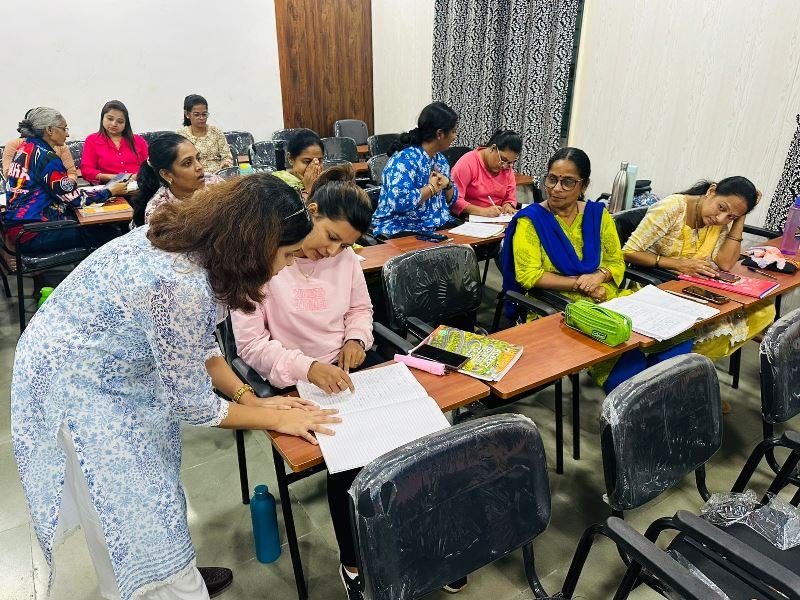
Activity:
Dominant and Non-Dominant Hand (A paragraph to be written)
Topics Covered
- Childhood Developmental Disorders
- Overview: The presenter defined developmental disorders and discussed their prevalence. Key disorders included Autism Spectrum Disorder (ASD), Attention Deficit Hyperactivity Disorder (ADHD), and Learning Disabilities.
- Symptoms: Symptoms were outlined for each disorder, highlighting behavioral, social, and academic challenges.
- Etiology
- The discussion covered potential causes of developmental disorders, including genetic, environmental, and neurobiological factors. The complexity of interactions among these factors was emphasized.
- Treatment and Prognosis
- Treatment options were discussed, including behavioral therapies, medication, and educational interventions. The presenter highlighted the importance of a tailored approach to each child’s needs.
- Prognosis varied depending on the disorder and the timing of intervention, underscoring the importance of early detection.
- Identification of Developmental Disorders
- The session emphasized the importance of recognizing early signs of developmental disorders. Educators were encouraged to be vigilant and informed.
Conclusion
The seminar provided critical insights into childhood developmental disorders, equipping educators with the knowledge to identify and support affected children. The discussions on evaluation methods and treatment options were particularly beneficial for practical application.
Report on Teachers’ Seminar Conducted by Dr. Leeyan
Introduction
On October 19, Dr. Leeyan conducted an insightful seminar focused on childhood developmental disorders, aimed at equipping teachers with the knowledge and tools necessary to support affected children. The final session concentrated on the practical aspects of evaluation through a case study and the development of a scale/checklist.
Key Objectives
- To increase awareness and understanding of childhood developmental disorders.
- To provide strategies for identifying and supporting children with these disorders.
- To facilitate the development of assessment tools for evaluating developmental progress.
Seminar Agenda
- Understanding Childhood Developmental Disorders
- Overview of common disorders (e.g., ADHD, autism spectrum disorder, learning disabilities).
- Discussion of signs, symptoms, and the importance of early identification.
- Strategies for Support
- Practical strategies for teachers to create inclusive classroom environments.
- Techniques for effective communication with parents and specialists.
- Case Study Presentation
- A detailed analysis of a case involving a child with a developmental disorder.
- Examination of assessment methods used and outcomes achieved.
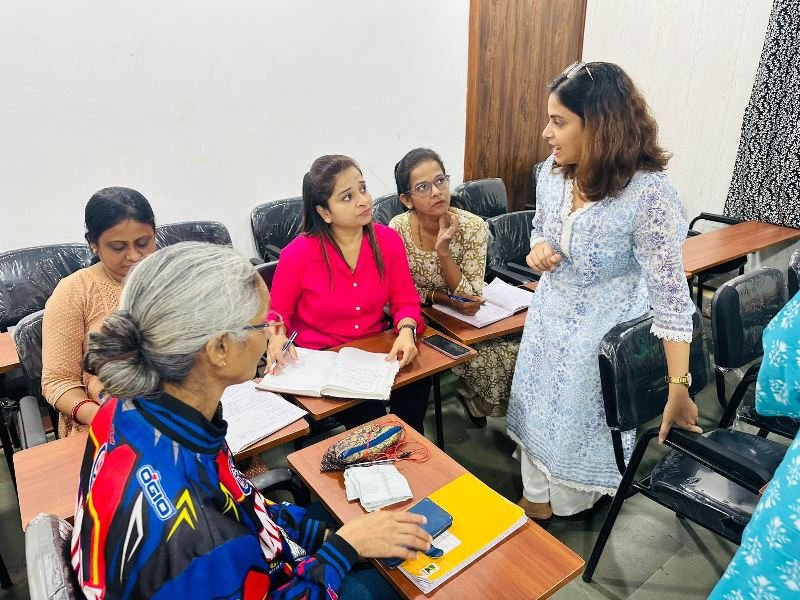
- Workshop: Development of a Scale/Checklist
- Interactive session where participants developed their own assessment checklists tailored to specific developmental disorders.
- Focus on identifying key indicators for evaluation, such as social skills, communication, and academic performance.
- Group Discussion and Feedback
- Sharing insights from the case study and the developed checklists.
- Collaborative brainstorming of best practices and resources.
Key Takeaways
- Understanding Disorders: Participants gained a clearer understanding of various developmental disorders and their implications in the classroom.
- Practical Tools: The development of personalized checklists provided teachers with actionable tools to assess and support their students effectively.
- Collaboration: Emphasized the importance of collaboration among educators, parents, and specialists in supporting children with developmental challenges.
Participant Feedback
Attendees expressed gratitude for the comprehensive approach taken during the seminar. They appreciated the balance between theory and practical application, particularly valuing the interactive nature of the checklist development session.
Conclusion
Dr. Leeyan’s seminar successfully equipped educators with essential knowledge and practical tools to support students with childhood developmental disorders. The focus on evaluation through case studies and checklist development will enable teachers to monitor and enhance the learning experiences of these students.
Report on the Seminar Held by Leeyan on 24th, 25th, and 26th October on the Topic: Intervention Strategies for Developmental Disorders
Introduction
A seminar on Intervention Strategies for Developmental Disorders was organized by Leeyan from 24th to 26th October 2024. The seminar aimed to provide insights into the latest research and practical approaches in managing developmental disorders, such as Autism Spectrum Disorder (ASD), Attention Deficit Hyperactivity Disorder (ADHD), Intellectual Disabilities, and other neurodevelopmental conditions. The seminar was attended by a diverse group of professionals, including educators, psychologists, therapists, special education specialists, and researchers.
The event provided a platform for discussing intervention techniques, sharing best practices, and exploring future directions in treatment and support for individuals with developmental disorders.
Objectives of the Seminar
The primary objectives of the seminar were:
- To explore the various types of developmental disorders and their characteristics.
- To examine evidence-based intervention strategies for supporting individuals with these conditions.
- To foster a collaborative environment for professionals working in the field of developmental disabilities.
- To discuss emerging research and innovative techniques in the field of developmental disorders.
- To provide hands-on workshops and training for educators and therapists.
Research and Emerging Trends
One of the key features of the seminar was the emphasis on emerging research and new trends in intervention strategies for developmental disorders. Some of the highlighted areas of research included:
- Early Diagnostic Tools and Screening
- New advancements in diagnostic techniques were presented, including the development of digital tools and mobile apps that assist in early identification of developmental disorders. Early intervention is considered critical, and the ability to diagnose at an earlier age has shown to significantly improve long-term outcomes.
- Technology-Assisted Interventions
- The use of assistive technology, including communication devices and software designed to aid in social skills development, was discussed. Many presenters highlighted the growing role of Artificial Intelligence (AI) and virtual reality (VR) in supporting children with developmental disorders.
- Genetic Research and Precision Medicine
- Genetic research into the causes of developmental disorders was presented, offering the possibility of more personalized treatment options based on a child’s genetic profile. These advances could potentially lead to more effective, individualized interventions in the future.
Conclusion
The seminar on Intervention Strategies for Developmental Disorders proved to be a highly informative and enriching event, offering participants a comprehensive overview of current practices and emerging trends in the field. The diverse range of sessions, from theoretical discussions to practical workshops, provided valuable knowledge for all attendees, from educators to clinicians.
The event successfully fostered collaboration and knowledge-sharing among professionals, paving the way for more effective and inclusive intervention strategies for individuals with developmental disorders.
The resource person expressed interest in hosting future events to continue promoting awareness, research, and best practices in the field of developmental disorders.